
Lederhosen Store Blog
History of Women’s Dirndl Outfit from Workwear to Global Stage
Aug
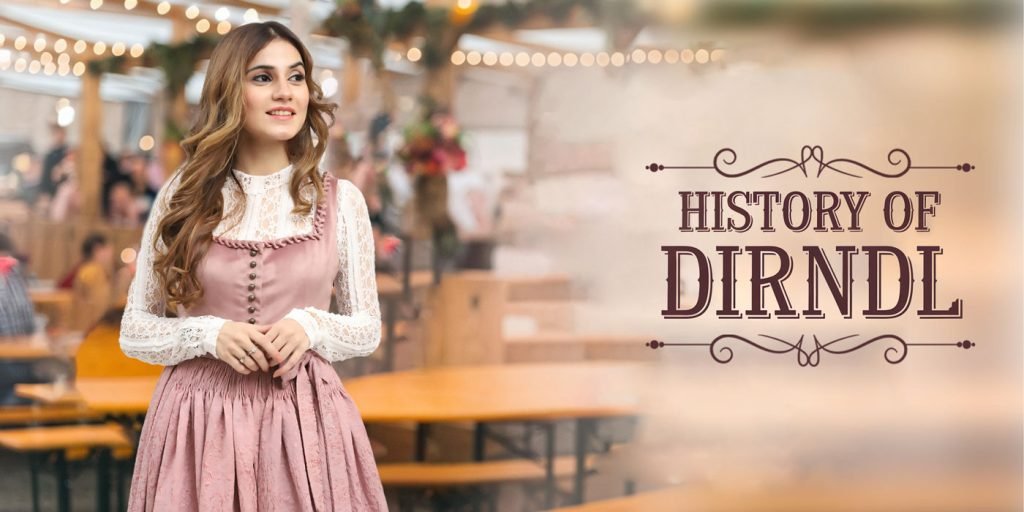
Dirndl outfit’s history reflects the evolution of fashion and social norms in Germany, originating as a practical dress for rural women. Derived from the word “Diernen,” which referred to maids and was made of simple fabric, this German clothing for women became a fashionable garment among royalty by the late 19th century, adopting the luxurious material. Its rich history of decades with ups and downs in its popularity always kept it in the fashion statement.
What is Dirndl?
Dirndl is the female traditional Bavarian outfit that was once used as a workwear and later became the official Oktoberfest dress code. The dress contains a bodice, a skirt, and an apron and is worn with a blouse underneath.
Evolution from Work Outfit to Oktoberfest Attire
From simple workwear for peasant women in the 18th century to a stylish outfit for nobility in the 19th century, the dirndl outfit became a national pride symbol. Its popularity surged at cultural events like Oktoberfest, solidifying its status as a festive dress while reflecting regional variations and traditions.
Originated as Durable Wear for Working Women
This German dress was first worn by rural women for farming and housekeeping. In the 18th century, it was made from sturdy materials and used as everyday work attire for the alpine peasants. It represented the wearer’s social class, religion, and occupation.
The women’s Oktoberfest outfit was designed for functionality, adapting to the needs of daily labor while reflecting the regional style. It was not just associated with German regions.
During the 16th and 18th centuries, similar dresses featuring skirts with bodices, aprons, and blouses were common in other parts of Europe. The same elements are also present in other German folk costumes, like those found in the Black Forest, Norway’s Bunad, and Slovenia’s Upper Carniola costume. The distinctive features of the costume developed from the fashion of the royal court in the 17th century, greatly influencing rural and urban clothing.
Adoption of Dirndl Dress by the Upper Class
In the late 19th century, the dress gained popularity among the upper classes. Wealthy women had them remade using premium and luxurious fabrics like silk and velvet, and the style became more ornate and decorative. Urban women romanticized rural life, adopting the dirndl as a fashionable use. This shift was influenced by the nationalist movement that celebrated the regional identity.
Its popularity surged further, especially after the Oktoberfest traditional costume parade in 1910, leading to its current status as a symbol of cultural heritage and modern fashion.
Perception of Dirndl Outfit after World War II Due to its Association with Nazis
After world war II, the Bavarian outfit’s popularity declined due to its association with nazi propaganda. They used the garment to promote the vision of German nationalism, which significantly impacted its acceptance after the 2nd world War due to its connection to conservative and militaristic symbolism. Many urban communities started viewing the dirndl dress as old-fashioned and linked to rural conservatism.
During the Nazi era, the Wallach brothers also faced challenges in promoting their business due to their Jewish heritage. Jews who played a significant role in dirndl popularity were forbidden to use the folk culture. In 1938, their business was “Aryanized,” meaning it was forcibly taken from them as part of the regime’s anti-semitic policies. The regime co-opted traditional attire to promote their vision of a unified German identity, further suppressing the Jewish involvement in the cultural sphere.
Used as a Propaganda Tool by Nazis
The dirndl was used extensively in propaganda materials to promote the Nazi regime’s racial and gender ideologies during the period 1930s and 1940s. The National Socialist Women’s League established the “Reich Commissioner for German Costume” to symbolize the dress with women as hardworking, fertile, and devoted to traditional gender roles. Propaganda predicted the dress to represent a pure, mythical German past, aligning with its emphasis on rural life and conservative roles.
Pesendorfer, who led the office, published designs by Gretel Karasek with some alterations, such as removing collars and introducing puff sleeves. Her work sought to eliminate perceived foreign influences and religious overtones.
Design Distance itself from Nazi Ideology
The women’s costume design evolved post-World War II to distance itself from Nazi ideology by embracing a more inclusive and diverse representation of German culture. The association of this dress with Nazi propaganda made it fall out of favor due to links with nationalism and conservatism.
However, several key events and cultural shifts helped Dirndl dress escape these negative connotations. The Munich Olympics held in 1970 marked a turning point, with colorful dirndl outfits worn by hostesses promoting Bavarian culture.
At the start of the 21st century, Designers began to innovate, introducing various fabrics and styles, making dirndls accessible to all. This creative reinvention allowed the costume to shed its past associations, evolving into a symbol of cultural heritage and modern fashion without the weight of historical baggage.
Key Figures in Promoting the Costume After Criticism
Julius and Moritz had previously established a successful business in traditional clothing. After fleeing to the U.S. during the Nazi regime, they contributed to the garment’s revival in the 1970s, sparking renewed interest. Queen Silvia of Sweden, Silvia Sommerlath, wore a sky-blue dirndl as a hostess at the Olympics. This high-profile appearance renewed women’s desire to wear this folk costume. In her study, the historian Simone Eager stated,
“As Sommerlath made headlines in 1972 as an Olympia hostess in a dirndl attire, every woman wanted to have a the costume.”
In 2001, designer Vivienne Westwood praised the costume design by emphasizing its flattering silhouette and cultural association. She and her husband later became Ambassadors for Tracht in 2010 due to their significant role in making Bavarian clothing a global recognition and relevance in modern attire.
Celina Jaitly, the Indian actress and beauty queen, wore a traditional German dirndl to celebrate New Year’s Eve. She shared a picture of herself posing next to a Christmas tree while wearing blue. In her social media post, Jaitly mentioned that she wears her costume with the same pride as she does the saree, encouraging visitors to Austria or Germany to pick up a costume for themselves.
Special Events or Cultural Contributions
The main revival started at the Olympics, which was held in Munich, and afterward, the resurgence took steps to give the dirndl its popularity back.
In the 1980s, environmental and anti-nuclear movements embraced traditional clothing as symbols of material and a return to cultural roots.
In 2004, Eger found during her study that 50% of women wore tracht at the folk festival Oktoberfest.
The 2006 FIFA World Cup further helped boost the popularity of the costume when special designs were made in national colors of black, red, and gold. This promotional event, highlighted by the social media platform, led to broader acceptance of the dirndl as a national pride of Germany and Austria.
Modern Interpretations With Regional Variations
Today, the dresses are available in various styles, from traditional to modern, incorporating diverse colors and patterns. Its regional significance remains strong, with different areas showcasing different customs and styles.
The dress is primarily associated with German-speaking European regions, particularly Austria, Bavaria, and South Tyrol (Italy). Bavarian dirndl attire is characterized by vibrant colors, intricate embroidery, and a well-defined bodice that cinches the waist for a flattering silhouette. At the same time, the Alpine versions are simpler, more rustic designs. In Bavaria, you will mostly see this dress worn by women at Oktoberfest, formal church ceremonies, and other festive occasions.
Conclusion:
The dirndl history from simple, practical workwear to a celebrated cultural symbol illustrates its adaptability and enduring appeal. Its historical background and evolving styles continue to captivate people worldwide. Today, it has become a vibrant expression of German national identity while embracing contemporary fashion, making it a staple in both traditional and modern wardrobes. Buy your dirndl from the Lederhosen Store today to experience this historic costume.




Popular Oktoberfest Lederhosen and Accessories
Men’s Black Adler-Design Lederhosen with Suspenders
$159.95Original price was: $159.95.$117.95Current price is: $117.95.Men’s Chocolate Brown Bavarian Lederhosen with Suspenders
Adler Embroidered Brown Lederhosen Shorts for Men
$159.95Original price was: $159.95.$129.95Current price is: $129.95.Timeless White Dirndl Blouse for Oktoberfest
$39.95Original price was: $39.95.$29.95Current price is: $29.95.White Dirndl Blouse with Ruffled Collar
$39.95Original price was: $39.95.$29.95Current price is: $29.95.Black Grace Dirndl Dress
$199.95Original price was: $199.95.$139.95Current price is: $139.95.Black Midnight Elegance Dirndl
$179.95Original price was: $179.95.$139.95Current price is: $139.95.Classic Gray Dirndl – Authentic Otkoberfest Dress
$169.95Original price was: $169.95.$119.95Current price is: $119.95.Luxury Black Silver Midi Dirndl Dress
$159.95Original price was: $159.95.$119.95Current price is: $119.95.Luxury Elegant Black Midi Dirndl Dress
$169.95Original price was: $169.95.$129.95Current price is: $129.95.Luxury Meadow Green Dirndl
$199.95Original price was: $199.95.$149.95Current price is: $149.95.Radiant Black Standout Bavarian Dirndl
$189.95Original price was: $189.95.$119.95Current price is: $119.95.Victorian Red German Midi Dirndl
$249.95Original price was: $249.95.$109.99Current price is: $109.99.Classic Brown Dirndl Authentic Bavarian Wear
$249.95Original price was: $249.95.$99.99Current price is: $99.99.